The paint calculator
Buy the right amount of paint. Once.
Measure the room, pick what you are painting onto, and get the tins to buy — with the openings taken off and the second coat already counted.
Five things to paint. A room, one wall, a ceiling, trim and doors, or a whole exterior.
Openings taken off. Standard sizes, or your own measurements if you want it exact.
Every figure cited. Coverage, coats and primer, each traced to a published source.
Paint calculator
Five things to paint, one method each. Type what you measured and the number of tins to buy appears below.
Walk the walls with a tape and add the four runs together.
The paint you will buy
Sets the coverage below. The figure on your tin wins over ours.
Printed on the tin as spreading rate.
Two is standard. One only for the same colour over itself.
One is the usual rule of thumb. Two if it is stained, patched or changing colour.
Add a rough cost
Whatever your shop charges. Leave at 0 to skip.
The paint you will buy
Sets the coverage below. The figure on your tin wins over ours.
Printed on the tin as spreading rate.
Two is standard. One only for the same colour over itself.
Add a rough cost
Whatever your shop charges. Leave at 0 to skip.
The paint you will buy
Sets the coverage below. The figure on your tin wins over ours.
Printed on the tin as spreading rate.
Two is standard. One only for the same colour over itself.
One is the usual rule of thumb. Two if it is stained, patched or changing colour.
Add a rough cost
Whatever your shop charges. Leave at 0 to skip.
Skirting, architrave and any picture rail, added together.
Counted at both faces.
The paint you will buy
Sets the coverage below. The figure on your tin wins over ours.
Printed on the tin as spreading rate.
Two is standard. One only for the same colour over itself.
Add a rough cost
Whatever your shop charges. Leave at 0 to skip.
A gable is a triangle: half its base times its height.
The paint you will buy
Sets the coverage below. The figure on your tin wins over ours.
Printed on the tin as spreading rate.
Two is standard. One only for the same colour over itself.
Add a rough cost
Whatever your shop charges. Leave at 0 to skip.
Buy the right amount once, instead of going back for a second gallon.
The tin is not the problem. The second coat is.
Most people measure the walls, read 400 square feet off the tin, buy one gallon, and then discover that two coats means twice the area. The arithmetic that avoids it takes a minute, and it is the same arithmetic every time.
Counted, not forgotten
Two coats on walls is the standard. The calculator multiplies the area before it divides by the coverage, which is the step most estimates skip.
Bare walls drink paint
A gallon covers 400 square feet of smooth painted wall and as little as 250 of bare, rough or strongly recoloured surface. That is a 60% difference, and it is why people run short.
It shows its working
Each answer states the sum it came from, and every fixed figure is traced to where it was published.
The questions behind the numbers
Short, specific answers to what people search the weekend they decide to repaint.
How much does a gallon of paint cover?
About 400 square feet on a smooth wall that has been painted before — and as little as 250 on bare, rough or strongly recoloured surfaces. Why the gap is so wide, and which figure applies to your wall.
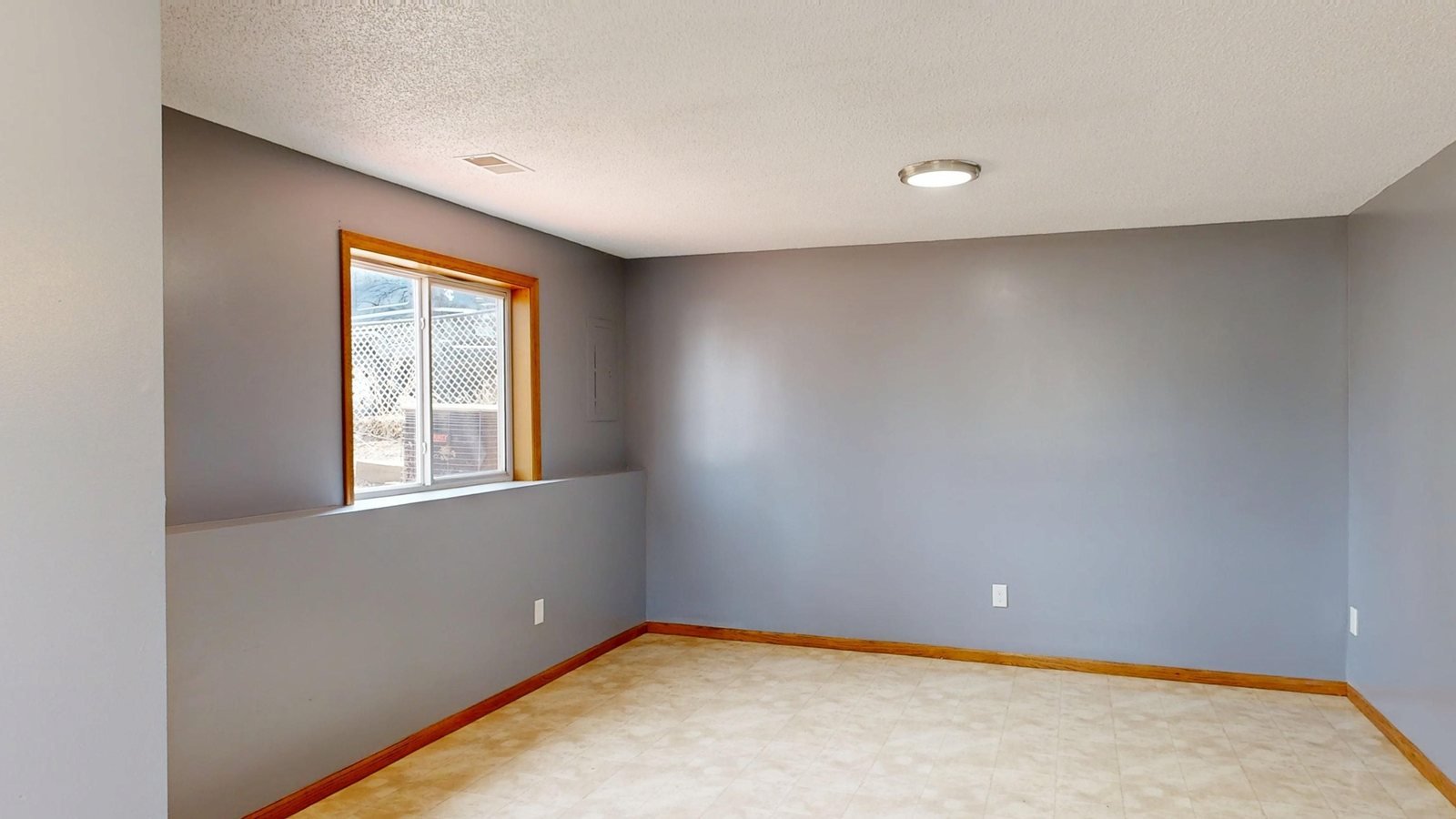
How much paint for a 12x12 room?
Two gallons for the walls at two coats, plus a quart or two for the ceiling. The full working, what changes it, and the figures for a 10x10, 12x14 and 14x16 room as well.
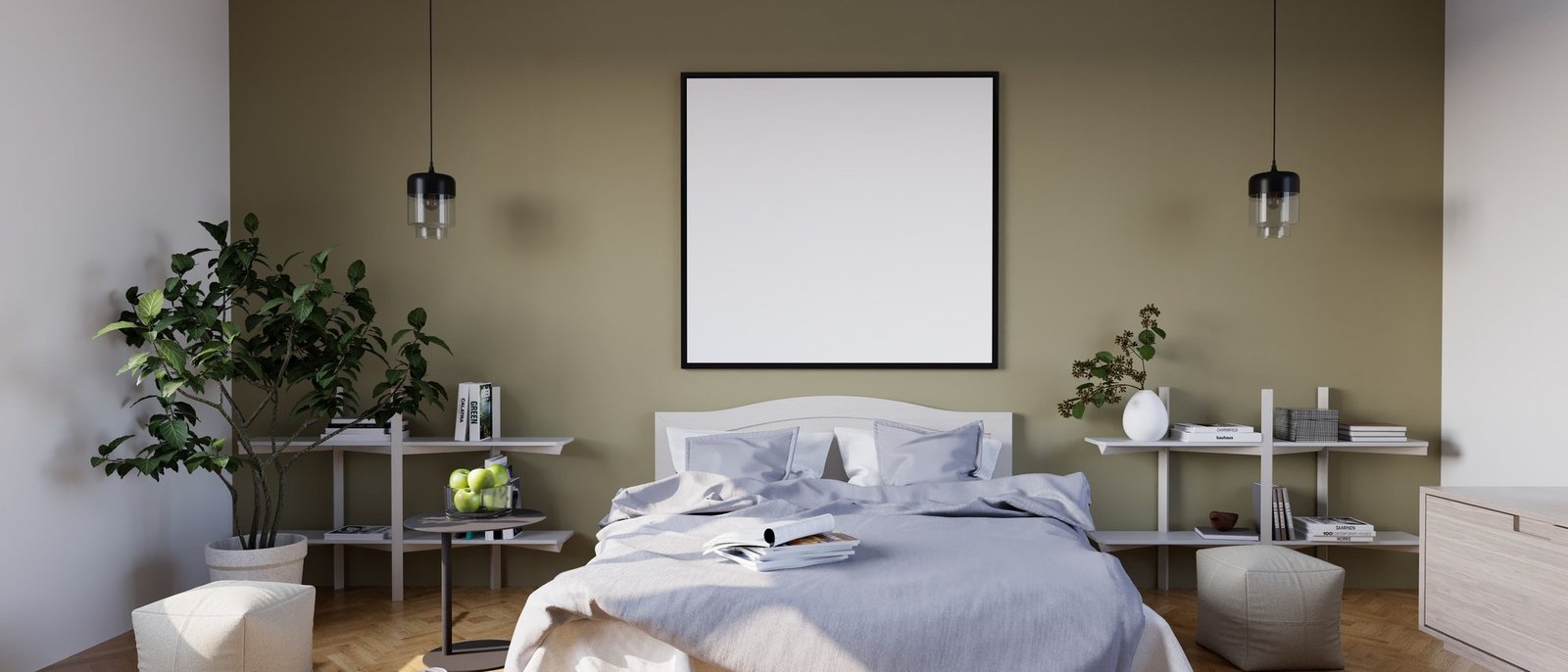
Paint needed by room size — the full chart
Gallons for every common room from 8x8 to 20x24, at 8, 9 and 10 foot ceilings, for walls and ceilings separately. One table rather than a page of advice.

How much paint for one accent wall?
A single wall is width times height — usually one quart, sometimes two. The sizes, why a quart is often the honest answer, and the two things that make an accent wall look wrong.
How to measure a room for paint
Two ways to get the wall area, which openings are worth subtracting and which are not, and the four places a tape measure lies to you.
How many coats of paint do I need?
Two on walls, one on a ceiling, two on trim — and the three situations where one is enough or four is a sign you primed wrong. What each coat is actually doing.
Three numbers worth knowing
- 400 square feet What one gallon covers on a smooth wall that has been painted before. On bare, rough or heavily recoloured surfaces, plan for 250 instead.
- Two coats The standard for walls. One coat is honest only when you are putting the same colour back over itself.
- The tin Every manufacturer prints a spreading rate, and it beats any rule of thumb — including ours. Dulux declines to publish a general figure for exactly this reason.